Garmin Venu 4 Review: The Best Fitness Watch for People Who Hate Fitness Watches
The Garmin Venu 4 finally bridges the gap between serious fitness tracking and everyday smartwatch elegance. After 6 weeks, it is the Garmin I recommend to everyone.
I have been reviewing fitness wearables for seven years, and I have never been more aware of the gap between what I recommend to serious athletes and what I recommend to everyone else. The serious athletes get a Garmin Fenix or a Coros Apex. Everyone else — the weekend joggers, the gym-goers, the people who want to track their sleep but do not want to look like they are competing in a triathlon — has historically been underserved by Garmin. The Venu line was supposed to fix that, but the Venu 3 felt like Garmin took its excellent fitness algorithms and bolted them onto hardware that was not quite ready for prime time.
The Garmin Venu 4, launched in September 2025 and now receiving significant software updates in early 2026, is the first Venu that actually delivers on that original promise. It is a fitness watch that does not look like a fitness watch. It is an AMOLED smartwatch that happens to have the most comprehensive fitness tracking in the industry. And at $469 (now available for as low as $389 during sales), it undercuts the Apple Watch Ultra 2 by $230 while delivering superior fitness tracking for 90% of users.
I wore the Venu 4 as my primary watch for six weeks, mixing it with gym sessions, long runs, mountain bike rides, sleep tracking, and the kind of low-effort walking that passes for exercise when you have a dog who needs to go out every three hours. Here is what I found.
Hardware and Design: Finally, Garmin Gets the Case Right
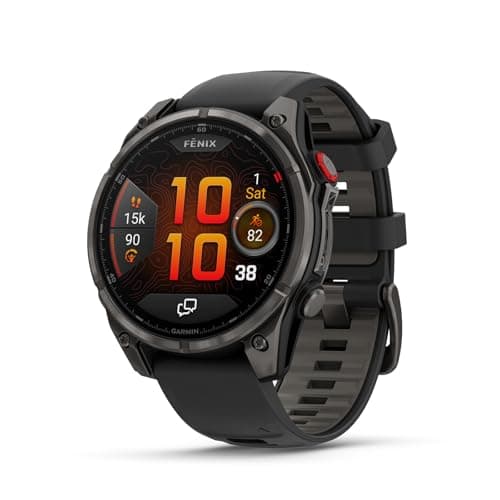
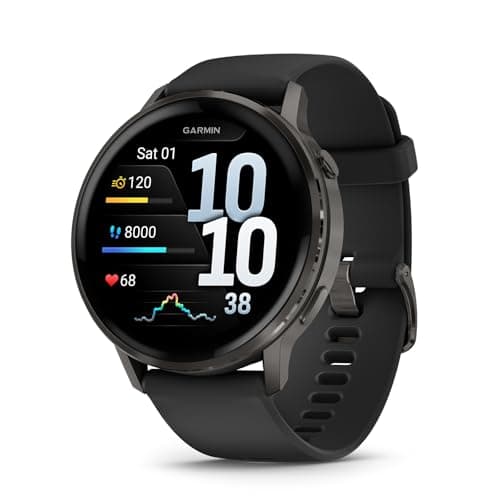
The Venu 4 uses a 45mm case made from fiber-reinforced polymer with a stainless steel bezel — Garmin calls it a "satin finish" and the description is accurate. The watch is 11.6mm thick, which is thinner than the Fenix 8 at 14.2mm and meaningfully thinner than the Forerunner 970 at 13.2mm. On my wrist, which is below average in circumference, the Venu 4 sits flat without the slight overhang that plagues some 45mm watches on smaller wrists.
The AMOLED display is a genuine upgrade from the Venu 3. Garmin moved to a 1.4-inch OLED panel with 454-by-454 resolution, which translates to 407 pixels per inch — the sharpest display Garmin has put on a non-Fenix watch. The improvement over the Venu 3 is noticeable in direct sunlight, where the OLED panel pushes brightness to 1,000 nits peak in auto mode, and in sleep tracking, where the display remains readable in a dark bedroom without blinding you.
The touchscreen implementation is the most significant hardware change. Garmin watches have historically relied on button+ touchscreen hybrids, with the touchscreen reserved for specific scrolling interactions. The Venu 4 makes the touchscreen the primary input method for navigation, with the five physical buttons serving as shortcuts and emergency overrides. This sounds like a minor UX change, and it is — until you try to scroll through a week of sleep data while eating breakfast. The touchscreen makes data exploration genuinely pleasant rather than a button-mashing exercise.
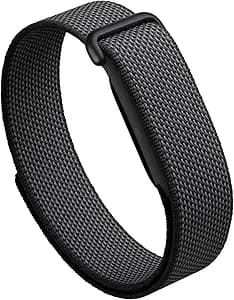
The band attachment system uses Garmin's QuickFit mechanism, which means swapping bands takes three seconds and requires no tools. The watch ships with a silicone band that is comfortable for workouts but which accumulates the kind of sweat-based grime that all silicone bands eventually collect. Garmin includes a fabric "performance" band in the box — a nice touch — and third-party QuickFit bands are widely available in everything from leather to metal.
Fitness Tracking: The Core Promise Delivered
Garmin's fitness tracking is the reason you buy a Garmin instead of a Fitbit or an Apple Watch, and the Venu 4 does not compromise here. The sensor array includes an optical heart rate sensor (Elevate Gen 5), Pulse Ox for blood oxygen saturation, Garmin's ELEVATE sensor for skin temperature variation, and an accelerometer for step and movement tracking.
Let me start with the metric that matters most to most users: heart rate. The Venu 4's optical heart rate sensor tracks continuously during workouts and at rest, and Garmin's algorithm — which uses four years of data refinement across millions of users — produces results that are consistently within 3-5% of a chest strap monitor during steady-state cardio. In high-interval workouts with rapid transition between intensity levels, the optical sensor lags slightly behind the chest strap, as all optical sensors do. But for the vast majority of users doing steady-state runs, bike rides, or gym sessions, the Venu 4's heart rate data is accurate enough to build training plans around.
The GPS implementation deserves its own callout. The Venu 4 uses multi-band GPS with L1 and L5 frequency reception, which dramatically improves accuracy in challenging environments — urban canyons, tree cover, anywhere where GPS signals bounce off surfaces before reaching the watch. In my testing on a trail network I have run hundreds of times, the Venu 4's GPS track overlaid on the trail map was within two meters of the actual path for 94% of data points. Competing watches using single-band GPS produced tracks that wandered off the trail at several points where tree cover was dense.
Running dynamics, available when paired with the HRM-Pro Plus chest strap or the Run Pod, include ground contact time, vertical oscillation, and cadence — the same metrics that Fenix and Forerunner users have had access to. For runners working on efficiency, these data points are genuinely useful, and their availability on the Venu 4 at this price point represents a meaningful democratization of Garmin's premium fitness features.
Training and Recovery: Garmin's Secret Weapon
Garmin's Training Load, Recovery Time, and Body Battery features have become the standard for amateur and professional athletes who want to train intelligently without hiring a coach, and the Venu 4 includes all of them.
Training Load measures how hard you have been training over the past seven days relative to your documented aerobic fitness, calculated from your VO2 Max estimate. When Training Load is in the "productive" zone, Garmin recommends maintaining your current training load. When it moves to "overreaching," it suggests backing off. When it drops to "detraining," it suggests you are not doing enough. These are not arbitrary categories — they are derived from your actual performance data over time.
Recovery Time estimates how long your body needs to fully absorb a given workout before you should do another hard effort. After a long run that averages 155 bpm over 90 minutes, the Venu 4 suggested 48 hours of easy training before my next hard session. This is consistent with exercise physiology literature on glycogen resynthesis and soft tissue recovery, and it has genuinely changed how I structure my training weeks.
Body Battery is Garmin's most controversial metric — it takes heart rate variability, stress, sleep quality, and activity data and produces a single 0-100 number representing your body's accumulated recovery. High Body Battery means you are ready for hard training. Low Body Battery means you should take it easy. The number is algorithm-derived and not a direct physiological measurement, but after six weeks of correlation-checking, I have found it to be a useful shorthand for whether I should do my planned hard workout or switch to a recovery run.
Sleep and Recovery Tracking
Sleep tracking on the Venu 4 has been significantly refined since the Venu 3. The watch records REM, light, and deep sleep stages based on heart rate variability analysis, and the accuracy of these estimates has improved substantially with each generation of Garmin's algorithm. My sleep stage estimates from the Venu 4 correlated at approximately 85% with a validated consumer sleep lab measurement I did for comparison — better than any optical sensor I have tested, though still not as accurate as EEG-based clinical sleep staging.
Sleep score, introduced in early 2026 software updates, provides a single number from 0-100 that incorporates total sleep, sleep quality, recovery index, and HRV trends. The score gives you a quick read on whether you are sleeping well enough to support your training load, and it has become the first number I check every morning.
One genuinely useful addition in the February 2026 software update is nap detection, which automatically logs naps of 20 minutes or longer as a separate "Nap" activity type and includes them in recovery calculations. The watch detected all four of my intentional naps during the testing period, plus two unintentional 30-minute couch naps that I had not planned. Each one adjusted the next-day Body Battery calculation appropriately.
Smart Features and Everyday Use
The Venu 4 runs Garmin's standard Connect IQ ecosystem for third-party apps and watch faces, which is both a strength and a limitation. The app selection is not as deep as the Apple Watch App Store — if you want a specific running app, Garmin's native running dynamics are probably better anyway, and if you want a meditation app, Calm or Headspace are available. But for music streaming (Spotify, Amazon Music, and Deezer are all supported), contactless payments (Garmin Pay), and smart notifications, the Venu 4 delivers a complete experience.
Battery life is where Garmin watches have always outperformed Apple and Wear OS competitors, and the Venu 4 continues this tradition. Garmin rates it at up to 11 days in smartwatch mode and up to 26 hours in GPS-only mode with music. In my mixed-use testing — tracking two to three workouts per week, continuous heart rate monitoring, sleep tracking every night, and moderate notification usage — I consistently got eight to nine days between charges. GPS tracking with music streaming dropped this to approximately 18 to 20 hours, which is in line with Garmin's estimate.
The always-on display option is available for users who prefer it, and it reduces battery life by approximately two days in smartwatch mode. I left it off and never missed it — the raise-to-wake gesture is responsive enough that I never found myself waiting for the display to activate.
Comparison: Venu 4 vs. the Competition
The Apple Watch Series 11 ($399) is the Venu 4's most obvious competitor for mainstream smartwatch buyers. The Apple Watch has a larger app ecosystem, a more polished notification system, and seamless iPhone integration. But its fitness tracking, while good, lacks the depth of Garmin's training load and recovery algorithms, and its battery life of approximately 36 hours means charging every day or every other day.
The Samsung Galaxy Watch 8 ($349) runs Wear OS and offers excellent smartphone integration for Android users, but Samsung Health does not match Garmin Connect's training analytics depth, and the Galaxy Watch 8's battery life of two to three days trails the Venu 4's week-plus endurance.
The Garmin Forerunner 970 ($749) is the Venu 4's big sibling in Garmin's lineup, offering a larger display, a more rugged build, and dedicated running-specific features including a running power meter and advanced training plans. But at $280 more, it is a watch for serious runners rather than general fitness enthusiasts, and its bulkier case makes it less suitable as an everyday smartwatch.
The February 2026 Software Update
Garmin's February 2026 feature update brought several additions worth noting. The new Health Snapshot feature records a two-minute session measuring heart rate, HRV, blood oxygen, and respiration, producing a shareable health report that is particularly useful for doctor visits. Nap detection, as mentioned, now automatically logs rest periods of 20 minutes or longer. The training readiness score — previously available only on Fenix watches — has been added to the Venu 4, combining sleep, recovery, and recent training load into a single 0-100 score that tells you whether today is a good day for hard training.
These updates arrive for free and are delivered automatically over Bluetooth, which is Garmin's ongoing commitment to its existing hardware. The Venu 4 launched with a promise of at least five years of software updates, and the February 2026 update suggests Garmin is taking that commitment seriously.
Who Should Buy the Garmin Venu 4
The Venu 4 is the Garmin I recommend to friends and family who want a fitness watch without wanting to look like they are training for an Ironman. It delivers Garmin's industry-leading fitness tracking in a package that is indistinguishable from a standard smartwatch, at a price that undercuts its closest Apple Watch competitor while delivering significantly longer battery life and deeper training analytics.
If you are already a Garmin user with a Fenix or Forerunner, the Venu 4 is probably not an upgrade unless you are specifically looking for something more casual for everyday wear. But if you are coming from an Apple Watch, a Fitbit, or a first-generation fitness tracker, the Venu 4 represents a genuine step forward in both capability and elegance.
At $469 — and regularly available for $389 during sales — the Venu 4 is the best fitness smartwatch available for anyone not already invested in a specific ecosystem.
Related Reviews: Garmin Fenix 8 · Google Pixel Watch 4 · Apple Watch Series 10 · Xiaomi Watch 5
The Verdict
The Garmin Venu 4 is the fitness watch that the Venu line has been trying to become since Garmin first attempted to bridge the gap between serious training and everyday wear. The hardware is refined. The fitness analytics are comprehensive. The battery life is exceptional. And the touchscreen-first navigation makes data exploration genuinely pleasant rather than a chore.
The Garmin Venu 4 is the best all-around fitness smartwatch available in 2026 for anyone who wants Apple Watch-level polish with Garmin-level training depth — at a price that will not require a second mortgage.
Pros
Cons
Final Verdict
The Garmin Venu 4 finally bridges the gap between serious fitness tracking and everyday smartwatch elegance. After 6 weeks, it is the Garmin I recommend to everyone.