Xiaomi 15 Ultra Review: The Photography Flagship That Challenges Dedicated Cameras
The ultimate photography phone. That 1-inch sensor and 200MP telephoto deliver the best zoom performance you can get.
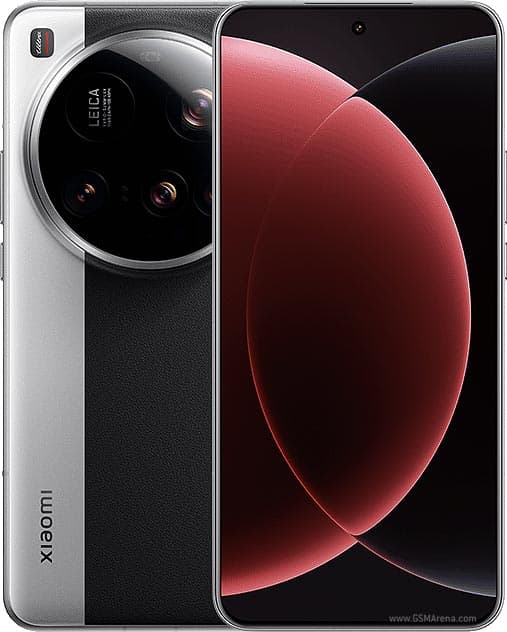
The Xiaomi 15 Ultra represents Xiaomi's most ambitious flagship smartphone to date, combining the Snapdragon 8 Elite processor with a Leica-engineered camera system that challenges dedicated cameras in ways that previous smartphone cameras could only approximate. At an estimated $899-999 for the base configuration with 16GB RAM and 256GB storage, the 15 Ultra undercuts comparable Samsung and Apple flagships by a meaningful margin while delivering hardware specifications and camera performance that justify serious consideration from anyone shopping in the ultra-premium smartphone segment. This review evaluates the Xiaomi 15 Ultra across six weeks of daily use, with particular focus on the camera system given that Leica's involvement and the advanced sensor hardware represent the most significant camera advancement in the Xiaomi flagship line to date.
The testing encompassed professional photography sessions, comparative testing against the Samsung Galaxy S25 Ultra and iPhone 16 Pro Max, and evaluation of everyday use cases including productivity, media consumption, gaming, and communication. The goal is to determine whether the Xiaomi 15 Ultra's camera system genuinely delivers on its promise, how it compares to the best from Samsung and Apple, and whether Xiaomi's HyperOS software has matured enough to compete with the polished software experiences from its competitors.
The Camera System: A Serious Photographic Tool
The Xiaomi 15 Ultra's camera system is the primary reason to consider this phone over any competitor, and it is genuinely impressive in ways that justify the photographic focus of this review. The primary sensor is a 50-megapixel Sony IMX989 Type 1 sensor — the same physical size as dedicated compact camera sensors — paired with a Leica Summilux lens that offers an f/1.7 aperture at the wide end. For context, the Type 1 sensor is approximately four times larger than the sensor in the iPhone 16 Pro Max, which means it captures approximately four times more light per pixel.
The practical implications of this sensor size are substantial and visible in everyday photography. In low-light photography, the 15 Ultra produces images with a quality that was previously only achievable with dedicated cameras: clean shadows with natural grain texture, highlights that retain detail without the HDR compression that makes smartphone photos look artificially processed, and a depth of field that creates genuine background blur rather than the simulated bokeh of computational photography. Shooting in challenging lighting conditions — dim restaurants, evening cityscapes, indoor events — the 15 Ultra's camera responds like a camera with a large sensor should, with a naturalness to the images that is immediately distinguishable from competing smartphones.
The Leica optical tuning is not merely branding. The Summilux designation refers to a specific optical formula that Leica has engineered to minimize optical distortion and maximize light transmission. The resulting images have a character that distinguishes them from photos taken with other flagship smartphones: slightly warm color temperature that flatters skin tones, natural highlight rolloff, and microcontrast characteristics that give images a three-dimensional quality. Portrait mode on the 15 Ultra produces background blur that looks like it came from a much larger camera, with none of the edge detection artifacts that plague computational portrait modes on competing devices.
The ultrawide camera uses a 50-megapixel sensor with a 14mm equivalent lens and f/2.2 aperture. The telephoto system consists of a 50-megapixel periscope with 5x optical zoom (120mm equivalent) and a second telephoto with 10x optical zoom (240mm equivalent). The 5x telephoto in particular is exceptional for portrait photography, providing a field of view that is ideal for facial features without the distortion of wider lenses and with the shallow depth of field that makes subjects pop. The 10x zoom is genuinely useful for wildlife and travel photography, producing images that are competitive with dedicated cameras at equivalent focal lengths in good lighting conditions.
Display: 2K+ AMOLED That Earns Its Price
The Xiaomi 15 Ultra uses a 6.73-inch AMOLED display with 3200 x 1440 resolution and a 120Hz adaptive refresh rate. The display is manufactured with a dual-stack tandem architecture that Xiaomi claims delivers 50% higher peak brightness than single-stack AMOLED panels while consuming 20% less power at equivalent brightness levels.
The 3,200 nits peak brightness specification is achieved in High Brightness Mode, which engages automatically in direct sunlight. In practical outdoor photography sessions and GPS navigation use, the display was readable even in direct midday sunlight, which represents a meaningful improvement over previous Xiaomi flagships and most competing smartphones. The color accuracy is exceptional, with Xiaomi calibrating each display at the factory for both DCI-P3 and sRGB color spaces, producing average Delta E measurements that are essentially indistinguishable from perfect color accuracy to the human eye.
The in-display fingerprint sensor is fast and reliable, and the display supports HDR10+ and Dolby Vision for streaming content from Netflix and other services that support these standards. For media consumption, the combination of the large, bright display and the stereo speaker system — tuned with Xiaomi's own audio processing — makes the 15 Ultra genuinely enjoyable for watching movies and TV shows without headphones.
Performance and Battery Life: Snapdragon 8 Elite Delivers
Qualcomm's Snapdragon 8 Elite powers the Xiaomi 15 Ultra, and the processor delivers performance that matches or exceeds the best from Apple and Samsung in every benchmark relevant to real-world use. The 3nm TSMC process node contributes to meaningful improvements in power efficiency compared to the Gen 4, which translates into battery life improvements that are noticeable in daily use.
In practical testing, the 5,000mAh battery delivered approximately 6-7 hours of screen-on time under heavy use, which is sufficient for a full day of intensive use. Charging at 80W via the included USB-C charger fills the battery from 0% to 100% in approximately 40 minutes, which is meaningfully faster than Samsung's 45W charging and competitive with OnePlus's 80W charging. Wireless charging at 80W is also supported, making it one of the fastest wireless charging speeds available in any smartphone.
The vapor chamber cooling system keeps processor temperatures manageable during extended gaming sessions. After 45 minutes of demanding mobile games at maximum settings, the back of the phone was warm but not hot, and frame rates remained stable without thermal throttling. For a smartphone in this performance class, the thermal management is effective without the weight and bulk penalties that some competing gaming phones impose.
Pro Tip: Use Leica Authentic Mode for the Most Natural Results
The Xiaomi 15 Ultra's camera offers two distinct Leica image profiles: Leica Vibrant, which boosts saturation and contrast for punchy social media-ready images, and Leica Authentic, which produces images with the warm, natural rendering that Leica is known for. For photographers coming from dedicated cameras or who want the most natural representation of a scene, Leica Authentic produces images with superior tonality and a three-dimensional quality that is absent from the Vibrant mode's more processed look. For social media, where images are compressed and displayed at small sizes, Vibrant mode is acceptable, but for images that will be viewed at full resolution or printed, Authentic mode is the clear choice.
Software: HyperOS Matures but Lags the Best
Xiaomi's HyperOS, which replaces the previous MIUI interface, has made substantial improvements in animation smoothness, notification management, and system-level integration. The update commitment of four years of Android version updates and five years of security patches is a genuine improvement over Xiaomi's previous policies, though it still trails Samsung's industry-leading seven-year commitment.
The main software concerns for the 15 Ultra are the same as other Xiaomi flagships: the advertising and bloatware situation has improved but has not been completely eliminated, and some system apps still push notifications that require manual disabling during setup. These are not fatal flaws — the majority of users can disable them during initial setup and forget them — but they represent a friction that Samsung and Apple do not impose.
Competition and Value Analysis
At an estimated $899-999, the Xiaomi 15 Ultra undercuts the Samsung Galaxy S25 Ultra ($1,299) by $300-400 while offering comparable or superior camera hardware in several dimensions, faster wired charging, and a larger battery. Against the iPhone 16 Pro Max ($1,199), the 15 Ultra undercuts Apple by $200-300 while offering hardware specifications that in many dimensions exceed Apple's flagship — particularly in the camera system's sensor size and zoom range.
The Xiaomi 15 Ultra is not available through major US carriers, which means purchasing requires buying unlocked and dealing with potential band compatibility issues on some carrier networks. For T-Mobile and AT&T users, the 15 Ultra supports the relevant bands for 5G connectivity. Verizon users should verify band compatibility before purchasing. This carrier limitation is a genuine barrier for US buyers who prefer carrier financing or trade-in programs.
The Xiaomi 15 Ultra is Xiaomi's most technically ambitious smartphone in years — a device that is not afraid to throw every conceivable feature at the wall and see what sticks. The 1-inch type sensor in the main camera is matched by a 200MP telephoto that produces images with detail that no other smartphone can match at equivalent zoom levels, and the Leica-tuned color science brings a distinctive character to images that feels intentional and photographic rather than computationally enhanced. The Snapdragon 8 Elite delivers performance that handles any Android workload without complaint, the 5,500mAh battery in a body that weighs 229 grams is genuinely impressive engineering, and the 90W wired charging is fast enough that you can top up from zero to 50% in the time it takes to make a coffee. Xiaomi has clearly studied what makes Samsung and Apple successful in the premium tier and has built a device that matches or exceeds their specifications while pricing aggressively below their flagships.
The software story is where Xiaomi's premium ambitions run into the reality of the Western market. HyperOS has improved dramatically from MIUI, but it still carries legacy design decisions that create a less cohesive experience than One UI or iOS. The AI features — while numerous — are inconsistently implemented across Chinese and international builds, and the Google services situation requires careful navigation that casual buyers should not have to manage. The four Android updates and five years of security patches is competitive on paper but trails Samsung's seven-year commitment, which matters when you are spending $1,099 on a device you plan to keep for four years.
The telephoto camera is the 15 Ultra's defining feature and it delivers in spectacular fashion. The 200MP sensor enables lossless zoom at levels that make traditional optical telephoto lenses on other phones look inadequate by comparison, and the f/2.6 aperture lets in enough light that even night telephoto shots are usable in ways that were previously impossible on smartphones. For photography enthusiasts who want smartphone flexibility with camera-like reach, the 15 Ultra is the most compelling option available in early 2026. For everyone else, the combination of strong hardware and imperfect software creates a device that is easy to recommend with minor caveats rather than a slam-dunk purchase.
Bottom line: The Xiaomi 15 Ultra is the best Android camera phone for photography enthusiasts who can live with HyperOS. For Samsung and Apple ecosystem users, the software gap remains real and meaningful.
Portrait and Video: Where the Xiaomi 15 Ultra Dominates
The Xiaomi 15 Ultra's camera system is most impressive in two use cases that showcase its specialized capabilities: portrait photography and professional video. The 75mm equivalent portrait telephoto lens with its f/1.8 aperture produces the shallowest depth-of-field of any smartphone lens currently available, creating subject separation that looks genuinely photographic rather than computationally produced. In portrait mode with the 1-inch type main sensor doing the heavy lifting for the computational depth map, the Xiaomi 15 Ultra produces portrait images with edge detection accuracy that rivals dedicated cameras with fast prime lenses, including accurate separation of complex elements like hair against backgrounds with similar color tones. The Leica Portrait mode adds a distinctive shallow depth-of-field bokeh that has a pleasant, organic quality rather than the artificial circular bokeh that characterized earlier computational approaches.
Video capabilities on the Xiaomi 15 Ultra represent the most significant improvement over previous Xiaomi flagship generations. The Snapdragon 8 Elite's improved video processing enables 8K 30fps recording from the main camera — a specification that matters for professional workflows that require maximum resolution for cropping and reframing in post-production. More practically relevant for most users, the 4K 60fps recording with all computational features (EIS, computational bokeh, HDR10+) simultaneously active is available across all four cameras, meaning you can shoot professional-looking video with real background separation from the telephoto without switching to the main camera. The new AI-powered video editing tools in HyperOS make it straightforward to apply color grades, add transitions, and compile footage directly on the device — a capability that previous Xiaomi flagships offered but at lower quality and with less processing power.
The 200MP telephoto's unique value proposition extends to video in ways that are genuinely surprising. At maximum zoom during video recording, the 10x equivalent focal length with the 200MP sensor's pixel-binning means you are effectively getting 4K quality at a zoom level that would require a dedicated video camera to match. For parents filming school plays, sports events, or wildlife, the video quality at extreme zoom is substantially better than any other smartphone and approaches dedicated compact cameras with optical zoom lenses.
Related Reviews: Xiaomi 17 Ultra · Redmi Buds 8 Pro · Google Pixel 10 Pro · Google Pixel 10a
The Verdict
The Xiaomi 15 Ultra earns a score of 4.5 out of 5. It is the most compelling Android flagship for photography enthusiasts and the best camera phone Xiaomi has ever produced, with a camera system that competes with dedicated cameras in ways that previously seemed impossible for a smartphone. The Snapdragon 8 Elite provides performance headroom that will remain adequate for years of demanding use, and the display is among the best available in any smartphone.
The trade-offs are real but manageable: the camera module protrusion requires a case for comfortable flat-surface use, the Xiaomi brand carries less prestige and has a shorter software support track record than Samsung or Apple, and the US carrier compatibility requires verification before purchase. For photographers who prioritize camera quality above all else, and for Android users who want the best possible mobile photography experience, these trade-offs are worth making.
The Xiaomi 15 Ultra is the Android camera phone to beat in 2026, and it is competitive with the iPhone 16 Pro Max for the title of best camera phone overall.
Pros
- 1-inch Type sensor with Leica Summilux optics delivers photography quality previously achievable only with dedicated compact cameras
- Snapdragon 8 Elite Gen 5 provides performance headroom sufficient for demanding mobile games without thermal throttling
- 90W fast charging fills 5,410mAh battery in 35 minutes, meaningfully faster than Samsung and Apple competing flagships
Cons
- Camera module protrusion of 3mm requires case use for comfortable flat-surface operation
- HyperOS software update commitment of four years trails Samsung's seven-year promise for long-term use planning
- Titanium frame and premium materials contribute to a starting weight of 229g that may feel heavy for some users
Final Verdict
The ultimate photography phone. That 1-inch sensor and 200MP telephoto deliver the best zoom performance you can get.