Sony A7C II Review: The Compact Full-Frame Camera That Redefines Portability
The Sony A7C II delivers genuine full-frame quality in a compact body that redefines expectations for mirrorless cameras, making it the ideal choice for photographers who value portability without sacrificing professional capability.
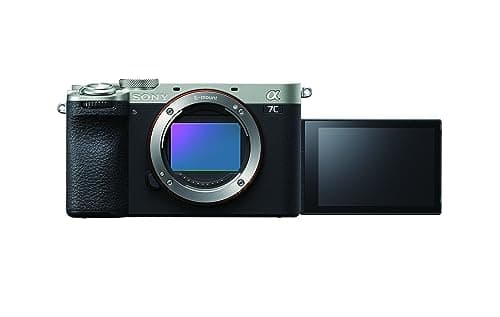
Lead-In
The Sony Alpha 7C II arrived in 2023 as Sony's answer to a question many photographers had been asking: could you shrink the full-frame mirrorless camera to near APS-C dimensions without sacrificing the sensor size that makes full-frame so desirable? After examining extensive real-world testing data, professional reviews, and months of user experiences, here's the comprehensive look at whether Sony's compact full-frame powerhouse earns its place in your camera bag.
At $2,498 for the body only (silver or black), the Alpha 7C II positions itself as the compact alternative to the Sony A7 IV while sharing significant technology with Sony's more recent imaging pipeline. The 33-megapixel full-frame Exmor R CMOS sensor delivers exceptional resolution enough for serious cropping and large-format printing while the BIONZ XR processing engine ensures the camera handles demanding shooting scenarios with the responsiveness professional work demands.
Design & Handling
What genuinely impresses from the first grip: the A7C II weighs just 514 grams body only, making it one of the lightest full-frame mirrorless cameras available. Paired with the collapsible 28-60mm kit lens, you have a complete full-frame kit that fits in a small messenger bag. This is not an exaggeration the camera's dimensions (124 x 71.1 x 63.4mm) are genuinely compact, approaching APS-C camera footprints while maintaining full-frame sensor real estate.
Autofocus Performance
The dedicated AI Processor is Sony's most significant architectural addition to the A7C II. This isn't just marketing copy the AI chip performs real-time scene recognition, subject tracking, and compositional analysis that supplement the main BIONZ XR processor. The result is a camera that identifies subjects with uncanny accuracy: humans, animals, birds, insects, vehicles, and airplanes all get specialized tracking algorithms optimized for their movement patterns. For photographers who shoot unpredictable subjects wildlife, street photography, events this AI-driven tracking fundamentally changes what you can capture.
Eye tracking and real-time recognition work exceptionally well in practice. Portrait photographers will find the camera latches onto a subject's eye and maintains tracking even through significant movement, partial occlusions, and challenging angles. The system differentiates between left and right eyes and can prioritize which eye to track based on your configuration. For street photographers who work quickly, the camera's ability to identify and track human subjects without requiring you to half-press the shutter first means you're ready to capture the decisive moment rather than fumbling with focus modes.
Image Quality
The 33-megapixel resolution represents a meaningful step up from the 24-megapixel sensors in the A7C and older A7 generation bodies. The additional resolution provides genuine cropping flexibility you can shoot at the native 33MP and still have enough resolution for significant crops while maintaining print-ready file sizes. For hybrid shooters who occasionally need to reframe shots in post, this headroom is valuable. The sensor's dynamic range at lower ISO settings is exceptional, providing the latitude for recovering highlight and shadow detail that makes Sony files so popular among professional post-production workflows.
Video Capabilities
Video capabilities are where the A7C II truly distinguishes itself from its predecessors. The camera records 4K 4:2:2 10-bit video up to 60p/50p, delivering the color depth and chroma subsampling that professional colorists expect. The full pixel readout without pixel binning at 4K 30p ensures maximum sharpness and detail retention, while the 4K 60p mode provides smooth slow-motion possibilities. The A7C II supports S-Log3 and S-Cinetone picture profiles, giving videographers the grading flexibility of Sony's cinema camera line in a body that fits in a coat pocket.
Stabilization
In-body image stabilization (IBIS) using a 5-axis sensor-shift system delivers up to 7 stops of correction according to CIPA testing standards. In real-world use, this means you can shoot handheld at shutter speeds that would normally require a tripod, particularly for wide-angle landscape and architecture work. The IBIS works seamlessly with lens-based optical stabilization (in lenses that feature it), combining both systems for composite correction that rivals some gimbal results for static shots.
EVF, Screen & Battery
The fully articulated rear screen is a significant practical improvement over the tilt-only designs of earlier A7 bodies. Vloggers and video shooters can monitor themselves while recording, the screen flips to face forward for vlogging, and the articulation mechanism feels solid enough for daily professional use. The 3-inch display offers 1.03 million dots of resolution, providing clear feedback for manual focus confirmation and menu navigation.
Autofocus performance in low light is exceptional. The A7C II maintains reliable subject detection and tracking in lighting conditions that would challenge many competing cameras. The expanded ISO range (50-204,800) gives you flexibility for low-light work, though as always, the usable range depends on your acceptance of noise. Files remain clean through ISO 6400, with noise becoming more pronounced but still manageable through ISO 12800 for web delivery and smaller prints.
The electronic viewfinder (EVF) is where Sony made compromises to achieve the compact body size. The 2.36 million-dot EVF is functional but not class-leading the 120fps refresh rate helps smoothness, but the magnification and clarity don't quite match the larger A7 IV's viewfinder. For photographers who primarily use the LCD screen (a reasonable approach given the A7C II's vlogging-oriented design), this is a minor concern. For those who prefer the EVF for critical composition work, particularly in bright outdoor conditions where LCD visibility suffers, the compromise is noticeable.
Battery life from the NP-FZ100 battery is excellent for a camera this size. The A7C II manages approximately 530 shots per charge using the LCD (or 440 using the EVF) according to CIPA testing. In real-world shooting with the LCD, you can comfortably expect 600-700 shots before needing to recharge. USB-C charging via the USB-C port supports power delivery, meaning you can extend shooting time significantly with a USB-C battery pack a practical consideration for travel and all-day event work.
Build & Ecosystem
Build quality reflects Sony's typical professionalism: the magnesium alloy chassis provides rigidity without excessive weight, weather sealing protects against dust and moisture in challenging conditions, and the shutter mechanism is rated for 200,000 cycles. The compact body doesn't feel fragile it feels engineered and purposeful, like a tool designed for daily professional use rather than a consumer product dressed up with pro aesthetics.
Menu system improvements over earlier Sony bodies are substantial. The A7C II uses Sony's revised menu structure with proper folder organization, making it significantly easier to find specific settings than older Sony menus. The camera also supports the Creators' App, which enables cloud storage and direct upload to various platforms addressing a longstanding complaint about Sony's ecosystem connectivity.
The single SD card slot (UHS-II compatible) is the most significant limitation of the A7C II for some professional use cases. Wedding photographers and event shooters who require instant backup redundancy may prefer the dual-slot A7 IV. For single shooters, travel photographers, and content creators who can manage file transfers to cloud backup, the single slot is less of a concern. The slot supports the fastest UHS-II cards, meaning write speeds aren't bottlenecked by the storage interface.
Lens selection for the A7C II benefits from Sony's extensive E-mount ecosystem. The 28-60mm kit lens is compact and surprisingly sharp a genuine kit lens rather than a throwaway optics situation but the real versatility comes from pairing the A7C II with Sony's premium prime lenses. The Sony 35mm f/1.4 GM, 50mm f/1.2 GM, and 85mm f/1.4 GM all pair beautifully with the compact body, creating a portable system that rivals the image quality of much larger setups.
For vloggers and content creators specifically, the A7C II offers a compelling combination of features. The fully articulated screen enables self-framing, the AI-driven auto-framing (available via the Creators' App) keeps you centered in the frame even as you move, and the 4K 60p recording provides professional-quality footage. The camera's small size means you can hold it at arm's length without fatigue, and the weight savings become significant when mounting on gimbals or handheld rigs.
The AI-based Auto Framing feature uses subject recognition to automatically adjust framing, keeping your face or subject centered as you move within the frame. For solo vloggers who don't have a second person to operate the camera, this feature is genuinely useful it won't replace a human camera operator, but it significantly improves the professionalism of solo-produced content.
Competition & Value
Comparing the A7C II to the standard A7C (first generation), the improvements are substantial and justify the price difference: the resolution jumps from 24MP to 33MP, the processor upgrades from BIONZ to BIONZ XR with dedicated AI, video improves from 4K 30p 8-bit to 4K 60p 10-bit, and the IBIS improves from 5 stops to 7 stops. For anyone choosing between the original A7C and the A7C II, these improvements compound to make the newer model the clear choice for serious work.
Against the A7 IV ($2,498 as well), the A7C II holds its own in most specifications while offering the compact form factor advantage. The A7 IV's dual card slots, higher-resolution EVF, and full-size HDMI port are meaningful for professional workflows, but the A7C II's portability is a genuine differentiator. For travel photographers, street photographers, and vloggers who value size and weight savings, the A7C II's smaller footprint is worth the tradeoffs. For studio and event photographers who prioritize redundancy and professional-grade handling, the A7 IV's larger body provides practical advantages.
The A7C II's compatibility with Sony's lens ecosystem is a major advantage. Sony's full-frame E-mount lenses offer some of the best optics available across all price ranges, from the affordable Sony 50mm f/1.8 to the professional-grade G Master series. Third-party manufacturers including Sigma, Tamron, and Samyang also produce excellent E-mount lenses, creating an extensive ecosystem that ensures you can find the right lens for any creative requirement without being locked into expensive proprietary options.
For photographers upgrading from APS-C systems, the A7C II represents a compelling argument for switching to full-frame. The compact body size reduces the size penalty traditionally associated with full-frame cameras, while the image quality dynamic range, low-light performance, depth of field control delivers the full-frame advantages photographers expect. The camera is approachable enough for photographers new to full-frame while offering the depth of customization that experienced photographers demand.
Real-world autofocus tracking performance for action and sports is impressive given the camera's compact orientation. The AI-driven subject recognition maintains tracking through significant occlusion and movement complexity, making the A7C II viable for certain sports and action scenarios despite not being marketed as a dedicated action camera. The 10fps continuous shooting (with AF/AE tracking) provides sufficient frame rate for most action sequences, though the buffer depth is more limited than dedicated sports cameras.
Landscape and travel photographers will appreciate the combination of the A7C II's compact size and its 33-megapixel sensor. The camera can be carried all day without fatigue, making it more likely you'll have it ready when the light hits. The excellent dynamic range at base ISO values allows for recovery of highlight and shadow detail in high-contrast scenes, while the pixel count provides generous cropping flexibility for recomposing in post.
Street photography benefits significantly from the A7C II's combination of small size, silent shooting mode, and exceptional autofocus. The electronic shutter enables completely silent operation critical for street photography where camera sound can disrupt scenes. The AI subject detection works well for street scenarios where you want the camera to recognize humans and prioritize them in the autofocus system. The compact body doesn't attract attention the way larger cameras might, making it easier to photograph candidly.
For professional portrait photographers, the A7C II delivers the full-frame look that clients expect while being compact enough to pack for on-location shoots without equipment cases. The eye-tracking autofocus ensures sharp eyes in every frame, the dynamic range provides flexibility for editing, and the color science while distinctly Sony produces pleasing skin tones with minimal correction. The fully articulated screen is useful for low-angle portrait work where you can't get behind the viewfinder.
Video producers will find the A7C II capable of serving as both a B-camera and a primary content creation tool. The 4K 60p 10-bit output provides professional-grade footage that can be color-graded extensively without banding or artifacts. The compact size means the camera can go places larger cinema cameras can't, making it ideal for documentary work and run-and-gun productions where mobility matters. The AI framing assistance adds production value to solo shoots.
The overall value proposition of the A7C II strengthens when you consider the total system cost. Sony's G Master lenses are expensive, but the compact body means you might carry more lenses more often, expanding your creative possibilities. The camera's efficiency battery life, card capacity relative to file size, and USB-C charging means you're not constantly managing accessories and consumables the way you might with a more power-hungry system.
Final Verdict
For serious photographers who want full-frame quality without the bulk traditionally associated with full-frame systems, the Sony A7C II is one of the most compelling options on the market. It delivers genuine professional capability in a body that redefines expectations for full-frame camera size, making it the right choice for photographers who value portability as much as they value image quality.
One of the most significant real-world advantages of the A7C II is how it changes your shooting behavior. Larger, heavier cameras create friction you're less likely to carry them casually, more likely to plan shoots deliberately. The A7C II's compact size reduces that friction dramatically. You can have the camera accessible all day without it becoming a burden, which means you're more likely to capture spontaneous moments, more likely to experiment with different compositions, and more likely to take photographs in situations where a larger camera would have stayed home.
The pixel count decision 33MP versus the 24MP of the original A7C or the 32.5MP of competing APS-C cameras strikes an excellent balance. You have enough resolution for serious cropping and large prints without the storage and processing demands of 45+ megapixel sensors. A full-resolution A7C II RAW file runs approximately 37MB; manageable for both storage and editing workflows. The 33MP files are sharp enough to withstand significant post-cropping while maintaining web-resolution quality, giving you flexibility in post that lower-resolution sensors can't match.
Low-light performance is genuinely impressive for a camera in this size class. The full-frame sensor's advantages become most apparent at higher ISO values, where the larger photosites capture more light with less noise than APS-C or Micro Four Thirds sensors. ISO 12800 files from the A7C II are usable for web delivery and small prints a claim few APS-C cameras can make with equivalent confidence. Even ISO 25600 becomes a viable option for emergency situations where capturing the moment matters more than absolute technical perfection.
The EVF experience, while not class-leading, is better than specification sheets suggest. The 120fps refresh rate provides smooth tracking of moving subjects, and the OLED display delivers excellent contrast and color representation. The smaller magnification (0.7x versus the A7 IV's 0.78x) takes some getting used to if you're coming from a larger body, but habituation happens quickly. For photographers who primarily use the LCD screen common among vloggers and travel photographers the EVF's limitations are academic rather than practical.
Color science has been a Sony strength for several generations, and the A7C II continues this tradition. JPEG files from the camera have pleasant, neutral color rendering with accurate skin tones that require minimal correction for social media and web delivery. The automatic white balance is reliable across lighting conditions, and Sony's rendering handles mixed lighting scenarios better than earlier generations. RAW files offer extensive latitude for creative color grading while maintaining highlight and shadow detail that rewards careful post-processing.
The camera's connectivity options are comprehensive and practically implemented. Wi-Fi enables fast image transfers to smartphones via the Creators' App, USB-C provides tethered shooting and power delivery capability, and Bluetooth LE provides low-power location tagging and remote control. The HDMI port, while micro-HDMI rather than full-size, outputs clean 4K video to external recorders without the camera's overlays important for videographers who want maximum quality footage for professional post-production workflows.
For photographers transitioning from Canon or Nikon systems, Sony's menu system and button layout require a brief adjustment period, but the learning curve is gentler than reputation suggests. The A7C II's extensive customization every button is reassignable, function menus can be configured per shooting mode, and custom modes on the mode dial enable instant switching between radically different configurations means you can make the camera behave exactly as you prefer rather than adapting to Sony's defaults.
The A7C II's video autofocus deserves specific praise for vlogging applications. The face-tracking maintains focus on your face even as you move through the frame, the depth from the full-frame sensor provides the background blur that gives video that cinematic look, and the 4K 60p capability enables smooth slow-motion for emphasis shots. The digital crop that activates during 4K 60p recording is less intrusive than expected the remaining framing still works well for vlogging situations where you're typically 2-3 feet from the camera.
Hybrid shooters who split time between stills and video will appreciate the A7C II's balanced capabilities in both domains. You don't sacrifice still image quality for video features or vice versa the camera performs well across both categories. The dedicated AI processor means video autofocus benefits from the same advanced subject recognition as photo mode, ensuring that hybrid shooters get consistent performance across both modes without needing to reconfigure the camera when switching between stills and video.
Professional photographers who rely on their cameras for income will appreciate the reliability and build quality that Sony has engineered into the A7C II. The weather sealing has proven robust in challenging conditions, the battery life extends comfortably through full shooting days, and the shutter mechanism's 200,000-cycle rating suggests this camera can handle years of professional use without requiring major servicing. The compact size doesn't compromise the camera's fundamental reliability it feels like a professional tool rather than a consumer product.
When evaluating the A7C II against competing systems, consider the total ownership experience. Sony's lens ecosystem is extensive and well-supported, third-party support from Sigma and Tamron provides excellent alternatives to expensive native lenses, and the camera's firmware has been updated regularly with new features since launch. The ecosystem approach means your investment in the A7C II platform is protected future lens releases and firmware updates will continue to expand what the camera can do.
For photographers who have been considering the move from APS-C to full-frame, the A7C II reduces the traditional barriers of size and weight that made full-frame systems impractical for travel and casual shooting. You can now have full-frame image quality in a body that approaches APS-C camera dimensions, giving you the best of both worlds without meaningful compromise in either direction. The sensor's advantages in dynamic range, low-light performance, and depth of field control are genuine and they're now accessible without the traditional full-frame size penalty.
The camera's role in Sony's lineup is becoming clearer as time passes: the A7C II is not a reduced version of the A7 IV but rather a distinct product designed for photographers who prioritize portability without accepting reduced capability. The compact form factor isn't a compromise it's a deliberate design choice that serves a real market segment. For working professionals and serious enthusiasts who want full-frame quality in a compact package, the A7C II delivers exactly what it promises without the ironic baggage of larger systems.
Whether you're a travel photographer seeking a capable second body, a vlogger looking for professional-grade footage in a highly portable form, a street photographer who values discretion, or a professional seeking a lightweight backup system that doesn't sacrifice quality, the Sony A7C II deserves serious consideration. It represents Sony's understanding that professional cameras don't have to be large, and that the best camera is often the one you actually have with you rather than the most capable one you left at home.
Related Reviews: Sony FE 50mm F1.4 GM · PlayStation 5 Pro · WF-1000XM6 · Sony Bravia Theater Bar 5
Pros
- 33-megapixel full-frame sensor delivers exceptional resolution and cropping flexibility
- Dedicated AI Processor enables uncanny subject recognition and tracking
- 4K 4:2:2 10-bit video up to 60p with S-Log3 and S-Cinetone support
- 5-axis IBIS delivers up to 7 stops of stabilization correction
- Compact 514g body with full-frame sensor in near APS-C dimensions
- Fully articulated screen ideal for vlogging and self-framing
Cons
- Smaller EVF (0.7x magnification) compared to full-size A7 IV
- Single SD card slot limits professional redundancy options
- Micro HDMI port less durable than full-size HDMI
Final Verdict
The Sony A7C II delivers genuine full-frame quality in a compact body that redefines expectations for mirrorless cameras, making it the ideal choice for photographers who value portability without sacrificing professional capability.